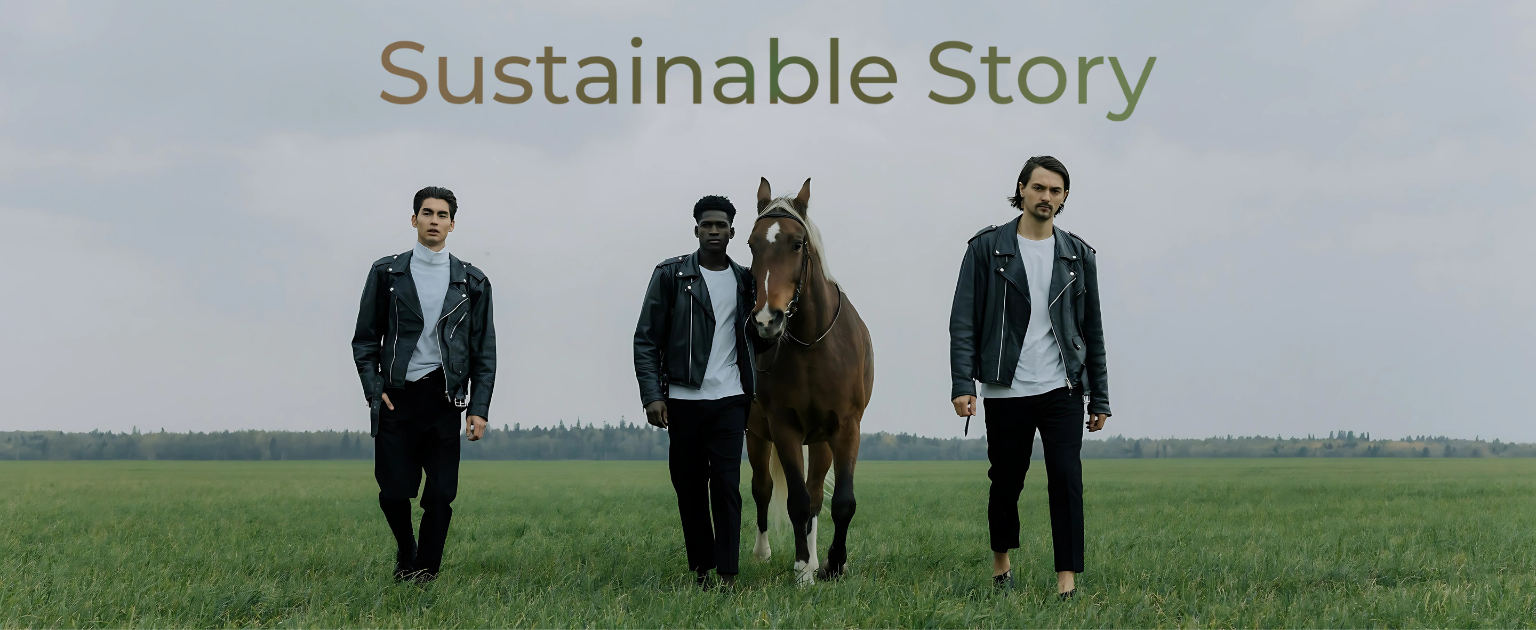
Our Sustainable Story: How MauveTree is Redefining Leather Fashion
The fashion industry stands at a crossroads. While consumers increasingly demand stylish, high-quality pieces, they’re also becoming more conscious about the environmental impact of their choices. At MauveTree, we recognized this shift early on and made a commitment that would shape our entire brand philosophy: creating sustainable leather jackets without compromising on style or quality.
The Wake-Up Call That Changed Everything
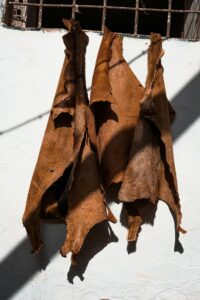
Our journey toward sustainability began with a simple question: “What legacy do we want to leave behind?” As a leather jacket brand, we couldn’t ignore the traditional leather industry’s environmental footprint. The conventional tanning processes, excessive water usage, and chemical treatments were contributing to pollution and resource depletion on a massive scale.
This realization hit us hard. We knew that continuing business as usual wasn’t an option. The fashion industry generates approximately 10% of global carbon emissions, and leather production alone accounts for significant environmental challenges. We had to act.
Why Sustainable Leather Matters More Than Ever
The importance of sustainable leather goes beyond environmental protection—it’s about creating a fashion ecosystem that can thrive for generations. Traditional leather production often involves harmful chemicals like chromium, which can contaminate water sources and affect local communities. Additionally, the industry’s resource-intensive nature puts tremendous pressure on our planet’s finite resources.
Consumers today are more informed and conscious than ever before. They want to invest in pieces that align with their values, and they’re willing to support brands that prioritize environmental responsibility. This shift represents a fundamental change in how we think about fashion—from fast consumption to mindful investment.
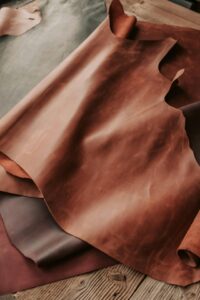
MauveTree’s Sustainable Innovation
Our approach to sustainable leather jackets centers on three core principles: responsible sourcing, eco-friendly production, and circular design thinking.